Author Archives: Quentin Budworth

Unknown's avatar

About Quentin Budworth

Quentin Budworth is a hurdy-gurdy virtuoso, composer, and award-winning filmmaker, blending European folk traditions with drone music, while cycling the Highlands, indulging in cheese, and leading bands Celtarabia and Agent Starling. Author: The Secret Life of the Hurdy-Gurdy - Field Notes On Playing https://quentinbudworthmusic.com/book/

Reclaim Your Attention: A Left Hook to a Hyper-Capitalist Habit.

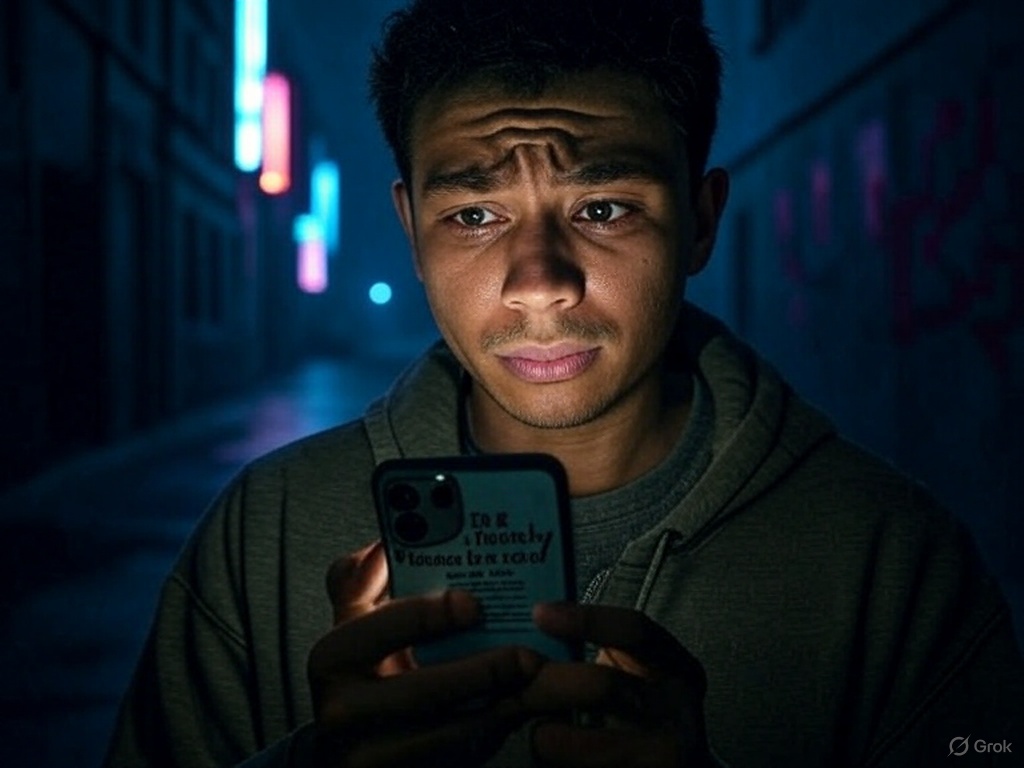
That phone in your pocket? It’s not your friend. It’s a brain-rotting instrument, meticulously engineered by tech oligarchs to scramble your grey matter, decimate your focus, and keep you hooked so they can sell you more shit you don’t need and further a far-right-wing anarcho-capitalist ideology that is killing the planet. It both undermines progressive thought and serves far-right governments, bad actors and authoritarians across the globe. It’s unregulated, unfettered digital anarchy and for sale to the highest bidder, no questions asked. It’s not just you; it’s a societal affliction, this creeping idiocy by design. You feel it, I feel it. We’re all getting a bit too responsive, easily angered, dafter, a bit more on edge, and that bloody phone is usually the prime suspect.

Now, I could parrot the usual advice:  buy an old-fashioned dumb phone,  look in phone settings and grey-scale your screen, mute notifications, go smell the roses, and chill out. But you’ve already tried that, and it’s a sticking plaster on a gaping wound that just won’t heal.

Why is an artist like me delving into big tech and self-help? The answer is simple: I am appalled by the rot in our society, the political radicalisation, the public apathy, and the hyper-capitalist frenzy gutting our communities and our planet. It’s all amplified, refined, and delivered through that devilish device in your pocket. It’s a weapon of mass distraction and, frankly, mass derangement. So, disarming it, or at least understanding its mechanics, is a political act.

Step One: Recognise your Enemy (It’s Not You, It’s Them)

You know it isn’t good for you, but you feel you can’t live without it. That’s the trap. And how do I know? Because everyone I talk to says the same damn thing. Your time, attention, and sanity are being siphoned off simply to serve you adverts. That’s the grand, pathetic truth. All this psychic damage, this digitally engineered ADHD, this paranoia – it’s so some algorithm can flog you a pair of cheap trousers from a sweatshop via Temu.

That’s the sole purpose of these “social” media platforms: to keep your eyeballs glued long enough to absorb advertising. The brightest minds of a generation, not curing cancer or solving climate change, but figuring out how to make you click on an ad. It’s built on casino psychology – the endless scroll, the intermittent rewards – turning us into lab rats pulling a lever for the next dopamine pellet.

And notice how everything feels a bit… worse? It’s the relentless ‘shitification’ of society, isn’t it? The grim endgame of decades of trickle-down economics that have plundered the working class, with the phone now a key accelerant. These platforms thrive on engagement, and what gets engagement? Outrage. Fear. Division. The algorithms aren’t designed to inform you or make you happy; they’re designed to keep you on the app, even if it means turning you into a raving bigot against, say, migrants, or anyone deemed too ‘woke’ by a right-wing press waging its own relentless war on common sense and decency. Fascism always needs a scapegoat to ‘otherise‘, and they’re adept at finding new ones weekly. Very soon, in the words of the National Lottery, ‘It could be you’.

Researchers and whistleblowers have repeatedly linked platforms like Facebook to real-world violence and even genocide. Social media platforms whip up hatred, fracture communities, and for what? To sell you some plastic tat you don’t need. It’s grotesque. We’re letting them rewire our brains for their profit margins. The phone isn’t a tool anymore; it’s a direct conduit for Silicon Valley’s richest and most morally bankrupt to extract value from your consciousness. The broligarchy is real, and it wants your soul, your vote, and constantly demands your attention 24/7 if you let it.

So, here’s the first practical step: stop blaming yourself. The guilt, the “I have no discipline” narrative – that’s what they want. Instead, get righteously angry. These corporations, these billionaires, did this to us, deliberately, for profit. Channel that anger. It’s far more motivating than shame. There’s a reason it’s called “rage bait,” not “guilt bait.”

Step Two: Reclaim Your Tools – The Humble Computer

You’ve seen the videos: “I cut my screen time by 80%… by using my computer more.” Sounds like a cheat, but it’s fundamental. The phone is the brain-rot machine; the computer, by and large, remains a tool. Computers were built for doing things, not just passively consuming.

Think about “apps.” If, back in 2007, Twitter had said, “To read these short messages, you must first download and install our proprietary program,” we’d have told them to sod off. You’re a website, mate. But on phones, this became normal. We stopped visiting websites and started living inside these corporate-owned, walled gardens. Each app’s sole purpose, remember, is to keep you in the app, away from the open internet, so they can farm more data and show more ads. Click an external link on Instagram? “Are you sure you want to leave our lovely, data-rich environment? How about our terrible in-app browser instead, so we can track you further?” It’s insidious.

On a computer, you have the whole messy, wonderful internet. Plus, actual programs you can (sometimes even legally) own and use. You can still doomscroll on a PC, but it’s less appealing, less immediate. And crucially, you can do other things. My survey showed most use phones for mindless entertainment. But for creative pursuits – music, writing, coding, art – it’s the computer that truly serves as a tool for active engagement, not passive consumption.

The early internet was a “Wild West” precisely because these tech feudal lords hadn’t yet enclosed the commons for profit. You can still find that spirit on a PC. That’s how I learned most of what I know – by stumbling across something interesting online and giving it a go.

Worried about DMs? Apps like Beeper or Texts can pull all your messages onto your computer. You see the funny tweet your mate sent without falling down the Twitter rabbit hole for an hour. The point is, on a computer, you can walk away. It’s not physically tethered to you.

And enhance your computer’s defences:

  • Unhook for YouTube: Kills the recommended videos, stopping the endless rabbit hole.
  • uBlock Origin (or similar for Reddit): Block those distracting, addictive homepages.
  • SelfControl (or equivalent): When needed, hard blocks sites and reclaims your focus.
  • One tool is absolutely non-negotiable: AD BLOCKER. If Chrome phases them out, switch to Firefox. Seriously. Once you experience ad-free internet, going back is like being waterboarded with commercials. This is about reclaiming your mental space from corporate bombardment.

This fights “algorithmic complacency”, that passive acceptance of whatever Zuckerberg or Musk decides to mainline into your brain. Don’t let them be your curators. Actively choose your information. That’s freedom of thought. On a computer, you have more agency. You could scroll Twitter, or you could open a tutorial and learn something, create something, or engage with something real.

Step Three: Sundry Practical Defences

  • Screen Time Passwords: If you use them, get a trusted friend to set it, or do it with your eyes closed and forget it.
  • Replace Bad Habits with Less Bad Ones: Instead of Twitter, try Sudoku, chess puzzles, a language app, or even an e-book from the library. Something engaging but not soul-destroying. Replace mindless scrolling with things like general knowledge or puzzles.
  • No Phone in Bed. Ever. It’s the devil’s work. It’s the mind-killer. Keep it charging in another room. Your alarm can be a cheap, old-fashioned clock.
  • Fidget Wisely: If you’re like me and your hands need to be busy, find an alternative. Draw, write, play a tune, sing, have a conversation, go for a walk. Anything to stop that reflexive phone grab.
  • Embrace Full Albums: A night listening to actual, complete albums, perhaps with a nice cup of tea or a glass of wine, if that’s your thing, is infinitely better than doomscrolling.

A Final Word on Accessing Culture (and Sticking it to the Man)

Are you really going to subscribe to Disney+, Netflix, HBO, Now TV, and whatever else these media conglomerates cook up, especially in this economy, while writers and actors get shafted? Consider where your money goes. Typing ‘TV show online free’ or exploring alternative ways to access culture isn’t just about saving a few quid. It’s about questioning who controls information and art. The knowledge that Jeff Bezos or some other media baron isn’t getting another cut, while you still get to engage with culture, is liberating. Think about supporting independent artists, local venues, or buying directly from creators, rather than padding the pockets of massive corporations who increasingly treat art as mere “content” for their streaming wars.

Ultimately, this is about reclaiming your mind, time, and agency from systems designed to exploit them. It’s a small act of rebellion, but it is vital for your sanity and, dare I say, for the health of our democracy and planet. Use your tools wisely. Don’t let them use you. Your mind is the last uncolonised territory; defend it.

Switch off data roaming on your phone and Wi-Fi while you are at it. Make your use of the devil in your pocket a conscious choice, not a dopamine-fueled automatic reflex that feeds the machine. Look at the world outside; see the beauty of life beyond the tiny screen in your hand.

Turn off. Tune in. Wake-up.


Navigating the Murky Waters of Meta: A Creative’s Guide to Survival and Alternatives

The digital landscape is shifting beneath our feet. Meta, the titan formerly known as Facebook, with its sprawling empire encompassing Instagram and Threads, is undergoing a metamorphosis – and not a particularly pretty one. For creatives – musicians, writers, artists, photographers – who have long relied on these platforms to showcase their work, connect with audiences, and build their careers, the changes are deeply unsettling. The dismantling of fact-checking, the algorithmic embrace of the politically charged, and the loosening of restrictions on harmful content are creating a toxic cocktail that threatens to drown out creativity in a sea of misinformation and hate.

So, how does a creative navigate these murky waters? Do you abandon ship altogether, or find ways to stay afloat amidst the storm? The answer, as with most things in life, is nuanced. While the Meta ecosystem may be increasingly hostile, its sheer size and reach still hold a certain allure. Complete abandonment might not be feasible or desirable for everyone. But relying solely on Meta is a recipe for disaster. A diversified, multi-pronged approach is key.

Surviving the Meta-verse:

For those choosing to maintain a presence on Facebook and Instagram, a strategic approach is essential. Here’s how to navigate the new reality:

  1. Curate with Extreme Prejudice: Your feed is your sanctuary. Unfollow or mute any accounts that consistently share misinformation, engage in hate speech, or simply bring negativity into your digital space. Be ruthless.
  2. Engage Authentically, But Critically: Don’t just passively consume content. When you see something questionable, look for sources, check the author’s credentials, and be wary of emotionally charged language designed to manipulate rather than inform.
  3. Promote with Caution: If you’re using Meta platforms to promote your work, be mindful of the “pay-to-play” trap. Organic reach is dwindling, and you may feel pressured to invest in advertising. Consider whether the potential benefits outweigh the ethical concerns of financially supporting a platform with questionable practices. If you do choose to advertise, target your audience carefully and monitor your campaigns closely.
  4. Protect Your Intellectual Property: On Instagram especially, be vigilant about protecting your visual work. Watermark your images, clearly state your copyright, and be prepared to take action against unauthorised use. The rise of AI-generated images, often trained on copyrighted work without permission, makes this even more crucial.
  5. Use the Tools Available: Utilise features like reporting problematic content, even if Meta’s responsiveness is questionable. Every report helps flag harmful material, potentially limiting its reach.

Beyond the Zuckerbergian Walls:

While navigating the Meta ecosystem is possible, it’s crucial to cultivate a presence beyond its walls. Diversification is your lifeline. Here are some alternatives to explore:

  1. Embrace the Fediverse: Platforms like Mastodon (https://joinmastodon.org/) offer a decentralised, open-source alternative to the corporate social media giants. They prioritise community moderation and are generally more resistant to hate speech and misinformation.
  2. Explore Emerging Platforms: Bluesky (https://bsky.app/) is a newer platform aiming to create a more open and user-controlled social media experience. While still in development, it represents a potential shift away from the centralised model.
  3. Niche Down: Depending on your field, explore platforms tailored to your specific creative niche. Behance (https://www.behance.net/) for visual artists, SoundCloud (https://soundcloud.com/) for musicians, and Substack (https://substack.com/) for writers are just a few examples.
  4. Build Your Own Platform: Your website is your digital home, a space you control entirely. Invest in creating a professional website that showcases your work, provides information about you as an artist, and allows you to connect directly with your audience.
  5. Cultivate an Email List: In the ever-shifting landscape of social media, an email list is gold. It’s a direct line to your most engaged fans, a channel you own and control. Use it to share updates, promote new work, and build a deeper connection with your audience.
  6. Explore other platforms. TikTok, Youtube, and even Pinterest are used by creators to promote and share their work. These platforms have their own issues but many creators are finding success on these platforms.

A Call to Conscious Creation:

The changes at Meta are a wake-up call. They force us to confront the uncomfortable truth that the platforms we’ve come to rely on may not always have our best interests at heart. As creators, we have a responsibility not just to ourselves but also to our audiences to navigate this new reality with intention and integrity.

We must be discerning about the information we consume and share, actively combating misinformation and promoting a more informed and ethical online environment. We must be strategic about where and how we share our work, prioritising platforms and practices that align with our values.

The path forward will require effort, adaptation, and a willingness to explore new territories. But by embracing a diversified approach, cultivating our own platforms, and fostering genuine connections with our audiences, we can not only survive the Meta-morphosis but also contribute to a more vibrant, creative, and ultimately, more humane digital landscape. The future of creativity in the digital age depends on it. depends on it.

Ein Gedi Nature Reserve and Enot Tsukim Nature Reserve

Trip 1: Ein Gedi Nature Reserve

Ein Gedi is an extraordinary nature reserve the animals are remarkably unperturbed by the high number of visitors as you can see from the photographs.

Trip 2: Enot Tsukim Nature Reserve

This is located on the NW shore of the Dead Sea and is a wetland oasis called ‘Ein Feshkha’, meaning split spring. Here a number of natural springs emerge from under the valley conglomerate, their varying salinities and temperatures creating a series of diverse habitats including reed-beds, shrubby salt-bush, tamarisk woodland, and lakes. Amongst the long list of notable species here are included: Striped Hyena, Caracal, Dead Sea Sparrow, Calmorous Great Reed Warbler, Marsh Frogs, Common and Jordan St Peter’s Fish and Freshwater Crab. The real stars are the insects though, the metallic green Middle Eastern Jewel Beetle and the Weaver Ant with it’s unique aphid/cicada  ‘honeydew milking business’ that keeps them nourished.

Thanks to the managers for giving the artists special permission to enter the ‘Hidden Reserve’, where they settled down to draw flora and fauna including date palms, phragmites, darters, praying mantis, Crested Lark, warblers, water snails and tilapia.

The evening: Project Event at the Dead Sea Research Institute

After supper we all travelled to the newly opened Institute to listen to lectures, hear music and witness aerial photographs all focussing upon the Dead Sea region’s landscape and wildlife:

Convener: David BenShabat – Center for Regional Thinking
Opening movie: Invitation to Think Together
Greetings: Dov Litvinoff – Mayor of the Tamar Regional Council
Matya Shick, photographer – Devious Powers (the Dead Sea in photographs)
Juan Varela, Spain – An artist’s impressions of ANF and painting

Concert: Paul Winter with excerpts from his new composition “Flyways” celebrating bird migration and the countries through which they fly along the Great Rift Valley, integrated with ethnic music from these countries and the calls of the birds that migrate along this route.

Lectures:
Prof. Yossi Leshem – The Great Rift Valley, an international highway for migrating birds
Amir Ben Dov – The unique Tamar Regional Council bird treasures: Desert Tawny Owl, Pallid Scops Owl, Nubian Nightjar

Sometimes

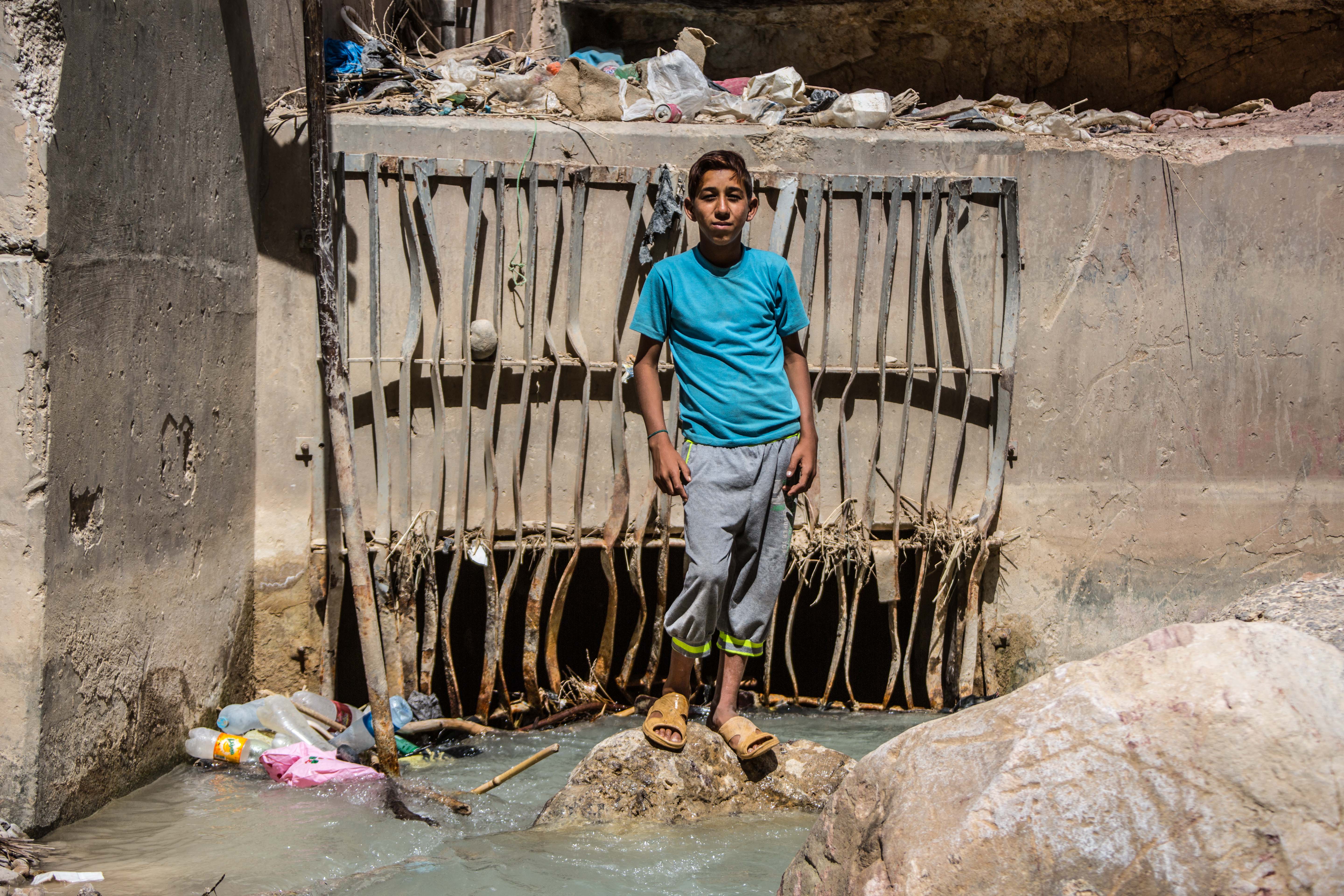
Sometimes you take a picture and it encapsulates a dilemma compressing several issues and thoughts into one moment. This is a picture like that. The young man stands just outside a water inlet that is syphoning water away from it’s natural flow into the Dead Sea.

The Dead Sea is drying up at an alarming speed due to the increased need for water of growing populations, industrial and the agricultural demands of the countries which surround it.

Environmental awareness is low amongst the people in this part of the world so a key step towards a resolution of the environmental challenges facing the region must be education combined with strategic planning of the water infrastructure by all the countries surrounding the Dead Sea to ensure it’s long term survival as a unique wonder of the world.
L67A3371

EXTREME JORDANIAN LANDSCAPES

First stop Wadi Zarkee Main.

For those not yet in the know a wadi is a valley, ravine, or channel that is dry except in the rainy season. From miniature oasis to raging torrent each wadi has multiple personalities depending upon the rainfall and the season. The artists made their way up the Wadi to find great places to paint. Some were drawn to the natural and some were drawn to the man-made.


Species studied include: Fan Tailed Raven; Barbary Falcon; Tristam’s Grackle; Crack Martin and the delicate Tamarisks and Acacia trees.

The tempting turquoise water in this wadi arises from 3 hot springs and proves a great place for family gatherings.

In the afternoon we trekked up the mountain to almost sea level! Our destination was the Dead Sea Research Venue (DESERVE) which focuses on the unique Dead Sea environment, one of the most inspiring natural laboratories on earth.


The spectacular panoramic views over the Dead Sea and the Holy Land presented the artists with a challenge of biblical proportions.

Kibbutz Pit Stop

We stopped on our travels for a breakfast at the amazing Kibbutz Sedi Eliyahu which has a focus on organic solutions to modern agricultural problems. Yossi explained about the Barn owls’ nesting box scheme which had effectively reduced the rodent problem in the the Kibbutz and surrounding areas. This approach which has been in use for many years is seen as an exemplar and has been adopted across the border in Jordan too.

The biological pest control project using Barn Owls and Kestrels effectively reduces the use of poisons by farmers in their battle against rodents and other pests.

More than 3,000 (!) nesting boxes have been erected all over the country for the Barn Owls and the Kestrels. The professional team of the project monitors the Barn Owls and Kestrels in the nesting boxes, rings them and follows them. This helps the farmers immensely.  The project also conducts instructional programs for the farming community.

The project, which was initiated by the birding centers in cooperation with Kibbutz Sedi Eliyahu, has now become a highly successful national project. The Arab sector in Israel has also begun to work with the Barn Owls, overcoming the traditional belief that Barn Owls bring bad luck.  There has also been cooperation with Jordan and the Palestinian Authorities.

The Kibbutz’s main business however is the Bio-Bee initiative which has achieved 20 million dollars of sales per year.  Bio-Bee is one of the leading international companies in the field of Biologically based Integrated Pest Management, Natural Pollination, and Medfly Control. Bio-Bee products are sold worldwide, in over 50 countries, through our subsidiaries and numerous agents and distributors. BioBee is the world’s leading producer of Phytoseiulus persimilis, the most effective natural predator of Tetranychus urticae (red spider mite).